Table of Contents
- Why a Coffee Machine Matters in Your Showroom
- Assessing Commercial Coffee Machine Capacity for Your Showroom
- Selecting the Right Coffee Machine Drink Options
- Automatic Versus Manual Coffee Machines for Client Facing Areas
- Easy to Clean Commercial Coffee Machine Features
- Coffee Machine Installation and Maintenance Support
- Calculating Total Cost of Ownership
- Frequently Asked Questions
Last Updated: October 10, 2026
Why a Coffee Machine Matters in Your Showroom
A quality coffee machine car showroom setup is more than a nice-to-have. It’s a client experience tool that directly affects how prospects feel during their visit. When someone walks in to browse vehicles, they’re making a decision. Offering fresh, professional coffee signals that your business cares about their comfort.
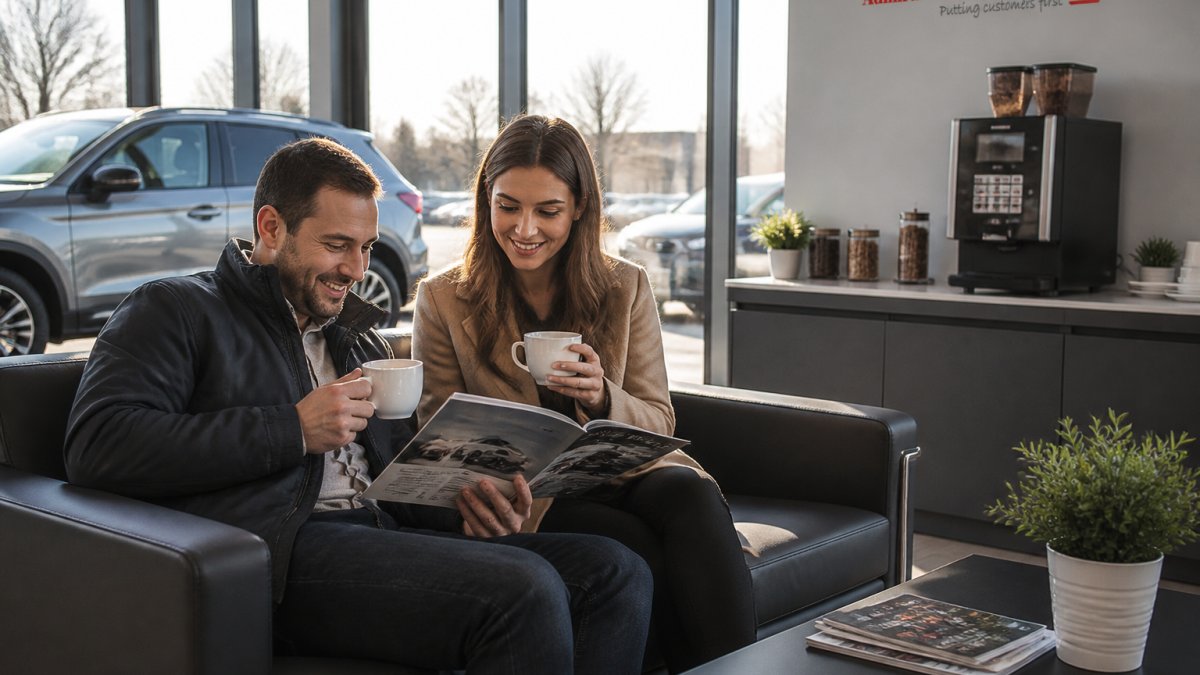
Waiting for a salesperson or test drive paperwork can feel like downtime. A quality drink transforms that moment into something positive. Clients remember small touches like this. They talk about them. Offering fresh coffee can encourage clients to linger longer and feel more welcomed.
The right machine also reduces staff time spent making drinks manually. Your team can focus on selling, not brewing. That’s efficiency that shows on your bottom line.
Assessing Commercial Coffee Machine Capacity for Your Showroom
Your showroom’s traffic determines the machine capacity you need. A car dealership might see 20 to 50 clients per day, depending on size and location. Peak hours matter more than daily totals. If you get 15 clients between 9am and noon, your machine needs to serve quality drinks quickly.
Consider these factors when estimating demand:
- Number of daily appointments and walk-ins
- Average visit length (how long clients spend in your showroom)
- Peak hours when most clients arrive
- Staff size and break patterns
- Whether clients typically accept a drink offer
A commercial coffee machine car showroom model should handle 40 to 100 drinks per day comfortably. Higher-capacity tabletop models work well for medium showrooms. Larger operations might need floor-standing equipment.
Track your client flow for two weeks before buying. Note arrival times, how many people are present at once, and how many accept a drink. This data removes guesswork from your decision.
Selecting the Right Coffee Machine Drink Options
The drink menu in a car showroom serves a different purpose than in a café. Clients aren’t there primarily for coffee, they’re evaluating a significant purchase. The drinks you offer signal professionalism and attention to detail. Inconsistent quality or limited choice can undermine the premium experience you’re building.

Car showroom clients have diverse preferences shaped by time of day, visit length, and individual dietary needs. A morning appointment might call for a strong espresso or americano. An afternoon client reviewing finance paperwork might prefer a milky cappuccino or flat white. Some clients will request decaffeinated options, particularly if they’re spending two or three hours in your showroom.
Look for commercial machines that offer:
- Espresso and americano (core black coffee options)
- Cappuccino, latte, and flat white (milk based drinks that appeal to a broad audience)
- Decaffeinated espresso and filter coffee (essential for afternoon visitors and those sensitive to caffeine)
- Hot chocolate and tea (non-coffee options for clients who don’t drink coffee)
- Milk alternatives such as oat, almond, or soy milk (increasingly expected in professional settings)
Automatic bean to cup machines excel here because they deliver consistency. Every cappuccino tastes the same whether your receptionist or a sales manager makes it. This matters in a showroom where clients form impressions based on small interactions. A poorly made coffee, too much foam, weak espresso, cold milk, creates a negative memory that lingers.
Decaffeinated options deserve particular attention. Many showroom visits extend beyond an hour. A client who accepts a regular coffee at 10am may feel uncomfortable if they’re still there at 1pm and the caffeine is affecting them. Offering decaf without being asked shows you understand client comfort. It’s a small touch that builds trust.
Milk alternatives are no longer a niche request. Roughly one in five adults in the UK now avoid dairy milk regularly, whether for lactose intolerance, vegan choices, or personal preference. A machine without milk alternatives limits your ability to serve all clients professionally.
Consistency matters more in a showroom than in a high-volume café. A café customer might tolerate variation because they’re in and out quickly. A showroom client sits in your waiting area for 30 minutes to two hours. If their first coffee was excellent and their second (made by a different staff member) is mediocre, they notice. Automatic machines eliminate this variable.
Before selecting a machine, ask your team what drinks clients request most often. Track requests for one week: note how many ask for decaf, how many request milk alternatives, and which drinks are most popular by time of day. This data prevents you from buying a machine that doesn’t match actual demand.
Automatic Versus Manual Coffee Machines for Client Facing Areas
An automatic coffee machine is the right choice for most car showrooms. Here’s why: your staff aren’t baristas. They’re salespeople. A manual espresso machine requires skill, timing, and practice. Inconsistent results damage your professional image.
Automatic machines grind fresh beans, measure portions, and brew to exact specifications every time. Clients get the same quality drink whether it’s 9am or 5pm. That consistency builds confidence in your brand.
Manual machines demand:
- Staff training time
- More hands-on involvement per drink
- Higher risk of mistakes during busy periods
- Slower service when multiple clients want drinks
Automatic machines deliver:
- Consistent quality every drink
- Faster service
- Minimal staff training needed
- Professional presentation
For a client-facing area like a car showroom, automatic operation removes variables and keeps your team focused on what they do best: selling vehicles.
Easy to Clean Commercial Coffee Machine Features
Hygiene and maintenance directly affect equipment reliability. A commercial coffee machine that’s difficult to clean gets neglected. That leads to breakdowns and poor drink quality.
Look for machines with these features:
- Removable drip trays that empty easily
- Automatic rinse cycles after each drink
- Accessible bean hoppers for refilling
- Clear water tanks that show fill levels
- Descaling alerts that prompt maintenance
Easy to clean commercial coffee machines save time and reduce downtime. Many modern machines include automated cleaning cycles. Your team simply empties the drip tray each morning.
Neglected machines develop mold and scale buildup, leading to breakdowns (Introduction to pressure equipment). Set a simple daily cleaning routine: empty the drip tray, refill the water tank, and run the rinse cycle. This takes five minutes and prevents costly repairs.
Coffee Machine Installation and Maintenance Support
Installation quality directly affects how smoothly your coffee service integrates into showroom operations. A poorly positioned machine creates bottlenecks. Water and power connections installed incorrectly lead to breakdowns during your busiest hours. Support quality determines whether you have a reliable service or a liability.
Showroom specific installation considerations differ from café or office setups. In a car showroom, the machine must be positioned where clients can access it without disrupting the sales floor or blocking sightlines to vehicles. It should be near your waiting area but not so close that the noise of grinding beans and steam wands disturbs client conversations or test drive consultations. Water supply and drainage need careful planning, you may not have existing infrastructure in the right location, requiring new pipework or drainage solutions.
Electrical requirements matter too. Commercial bean to cup machines have specific electrical requirements during operation. Your showroom’s electrical circuit must handle this load without triggering breakers during peak use. A supplier who assesses your space properly identifies these issues before installation, preventing costly rewiring or machine repositioning later.
Staffing and training shape how well your machine performs in daily use. Your team aren’t baristas. They’re salespeople, receptionists, and administrators. They need to understand basic operation, how to refill the bean hopper, empty the drip tray, and respond to alert messages, without requiring specialist knowledge. Poor training leads to neglected machines, which develop scale buildup, mould, and mechanical failures.
A quality supplier provides on site training that covers:
- Daily operation and drink selection
- Refilling beans, water, and milk
- Emptying and cleaning the drip tray
- Responding to maintenance alerts
- Basic troubleshooting for common issues
- When to contact support versus attempting fixes
Scheduled maintenance prevents breakdowns during critical periods. Regular servicing catches worn parts, descales internal components, and replaces seals before they fail. A reliable supplier schedules maintenance visits at times that suit your business.
Downtime is expensive in a showroom. If your machine breaks down and takes a week to repair, you’re serving instant coffee or nothing at all. Clients notice. A supplier who offers rapid response support and carries common replacement parts minimises downtime.
When evaluating suppliers, confirm they offer:
- Professional on site installation with space assessment
- Staff operator training tailored to your team’s role (not barista training)
- Scheduled preventive maintenance visits (typically quarterly)
- Rapid response support contact for breakdowns
- Rapid parts replacement during repairs
- Coffee supply delivery on a regular schedule so you never run out
- Clear documentation of what’s covered under warranty versus what incurs charges
Total support cost should be transparent upfront. Some suppliers bundle installation, training, maintenance, and supplies into one monthly or annual fee. Others charge separately for each service.
Negotiating the lowest machine price but choosing a supplier with poor support is a false economy. A machine that breaks down frequently or takes weeks to repair costs far more in lost client experience and staff frustration than the savings on purchase price. Prioritise suppliers who offer reliable, responsive support over those offering the cheapest upfront cost.
Calculating Total Cost of Ownership
The purchase price is only part of the cost. A complete picture includes installation, maintenance, coffee supplies, cups, and potential repairs. Understanding total cost of ownership prevents budget surprises.
Consider these ongoing expenses:
- Fresh coffee beans (varies by drink volume)
- Disposable cups and lids
- Scheduled maintenance and parts
- Water and electricity usage
- Staff time for daily cleaning
A reliable supplier bundles these into a simple arrangement. Installation, training, ongoing service, and coffee supplies work together as one solution.
Compare suppliers not just on machine price, but on the full package they provide. A slightly higher upfront cost often saves money if maintenance and support are included.
Total cost of ownership includes everything: the machine, installation, training, maintenance, supplies, and support. A transparent supplier gives you one clear figure, not surprise costs later.
Choosing a coffee machine for your car showroom affects client experience, staff efficiency, and your professional image. The right machine serves quality drinks quickly, operates automatically so your team stays focused on sales, and includes reliable support to keep it running.
Admiral Vending specialises in commercial bean to cup coffee machines designed for showrooms and high-traffic commercial spaces. We provide expert machine selection, professional installation, staff training, and ongoing support across the UK. Our AI-powered instant quote system makes it easy to find the right solution for your specific needs. Get your instant quote today and discover how fresh coffee can enhance your client experience.
Frequently Asked Questions
What capacity should a coffee machine have for a car showroom?
Capacity depends on your showroom traffic and appointment schedule. A typical car showroom with 40 to 60 clients per day needs a machine capable of serving 150 to 200 drinks daily. Bean to cup machines for showrooms should handle peak hours without queues. If you have multiple waiting areas or high footfall, consider a commercial grade machine rated for 300+ drinks per day. Your Admiral Vending specialist can estimate demand based on your specific showroom size and client flow.
Which drinks should a customer facing coffee machine offer?
Showroom clients expect café style drinks including espresso, americano, cappuccino, and latte. Many prefer milk based drinks for a premium experience. Hot chocolate appeals to clients with children, and fresh brew tea serves those who don’t drink coffee. Offering variety improves client satisfaction and perceived brand quality. Bean to cup machines deliver consistent, barista quality drinks on demand, which enhances your showroom’s professional reputation far better than instant coffee or low quality alternatives.
How easy should a commercial coffee machine be to clean?
An easy to clean commercial coffee machine saves staff time and maintains hygiene standards. Look for machines with removable brewing groups, simple water filtration systems, and automatic rinse cycles. Daily cleaning should take under five minutes. Machines with accessible drip trays and transparent water reservoirs make maintenance visible and straightforward. Professional support from your supplier ensures staff receive proper training on cleaning routines, preventing breakdowns and keeping your machine reliable for high volume service.
What happens after installation with a commercial coffee machine?
Professional installation includes delivery, setup, water and power connections, and operator training for your staff. Ongoing support covers regular maintenance visits, parts replacement, and coffee supplies. A reliable supplier provides nationwide support so breakdowns are fixed quickly, minimising downtime in your client facing area. Ask your supplier about their service response times and what’s included in maintenance. Eight years of industry experience means Admiral Vending understands showroom needs and can support your machine throughout its lifespan.