Table of Contents
- Why Quiet Zones Matter in the Workplace
- Plan Your Quiet Zone Location and Layout
- Reduce Office Noise Reduction with Strategic Acoustic Treatment
- Install Acoustic Panels for Offices and Sound Absorbing Materials
- Design Your Quiet Room at Work with Visual Comfort
- Establish Office Quiet Zone Etiquette and Operating Policies
- Measure and Refine Your Quiet Zone Over Time
- Frequently Asked Questions
Last Updated: October 6, 2026
Why Quiet Zones Matter in the Workplace
Understanding how to design a quiet zone in the workplace starts with recognising it as a dedicated workspace designed to minimise distractions and support focused work. These areas reduce acoustic and visual stimuli so employees can concentrate deeply without interruption.
Most open plan offices create constant background noise. Conversations, phone calls, and equipment hum make concentration nearly impossible. A quiet zone solves this by providing a distraction free environment where deep work actually happens.
The benefits are real. Employees in quiet spaces report better focus, fewer interruptions, and higher job satisfaction. Teams also see improved productivity when staff can work without constant sensory input.
At Admiral Vending, we’ve observed that workplace wellbeing goes beyond coffee quality. It includes the physical environment where staff work and take breaks. A well designed quiet zone, paired with access to quality refreshments like those from our Coffee Vending Machines, creates a space where employees want to spend their time.
Quiet zones also support neurodiverse teams. Some employees struggle with open plan noise and visual clutter. A low stimulation zone gives them the sensory control they need to perform their best work.
The investment is straightforward. You need the right location, acoustic treatment, furniture, and clear operating policies. Below, we show you exactly how to design a quiet zone in the workplace that works for your team.
Plan Your Quiet Zone Location and Layout
Location determines whether a quiet zone succeeds or fails. Choose a space away from main corridors, kitchens, and high traffic areas. Corner rooms or enclosed spaces work best. Avoid areas near lifts, printers, or machinery.
Consider your office layout carefully. An open plan floor may need a dedicated room. Larger spaces can accommodate multiple quiet zones. Smaller offices might use a single enclosed meeting room converted for focused work.
Capacity matters. Calculate how many staff need simultaneous access. A 150 person office might need 4 to 6 quiet workstations. A 40 person team could use 1 to 2 spaces. Overcrowding defeats the purpose.
Accessibility is essential. The quiet zone must be easy to reach without crossing busy areas. Staff should not have to walk through the main office to access it. Position it near stairs or lifts if possible.
Think about task based spaces. Some quiet zones work best for individual concentration. Others suit confidential conversations or small meetings. Design flexibility into your layout so the space serves multiple needs.
Test your location before committing. Spend time in the space during peak office hours. Listen for noise sources. Check natural light levels. Walk the route staff would take to reach it. If distractions remain, choose a different area.
Reduce Office Noise Reduction with Strategic Acoustic Treatment
Acoustic comfort is the foundation of any quiet zone. Without proper sound control, even an enclosed room stays noisy. Strategic acoustic treatment absorbs noise rather than bouncing it around.

Start by measuring your baseline. Use a sound level metre to record noise levels in the proposed quiet zone at different times of day. Take readings during peak occupancy, lunchtime, and quiet periods.
Identify noise sources precisely. External traffic, adjacent meeting rooms, HVAC systems, and internal machinery each require different solutions. Traffic noise is low frequency and needs mass or decoupling.
Absorption works best when placed correctly. Soft materials like carpet, curtains, and upholstered furniture help, but focused acoustic panels perform far better.
Seal gaps and cracks. Sound travels through small openings. Weather stripping on doors and acoustic caulk around windows reduce leaks. Even a 1 millimetre gap under a door can let through noticeable noise.
Consider sound masking. Low level background noise like gentle water features or white noise can mask disruptive sounds. This works well when complete silence is impossible. But masking should complement absorption, not replace it.
Measure again after treatment. Compare post installation readings against your baseline. If you aimed for 45 decibels but still measure 55, you need more absorption or better sealing.
Budget for professional assessment if needed. An acoustic consultant can identify problem frequencies and recommend specific treatments. For most offices, a combination of wall panels, ceiling tiles, and door seals will achieve a noticeable improvement.
A simple sound level metre costs less than a single acoustic panel. Buy one and take your own readings before and after treatment. You will know whether your investment actually worked.
Install Acoustic Panels for Offices and Sound Absorbing Materials
Acoustic panels are the most visible component of noise reduction. They absorb sound energy rather than reflecting it. Install them strategically on walls, especially behind seating areas.
Wall mounted panels work best. They cover large surface areas and look professional. Choose panels with a noise reduction coefficient of at least 0.7. Higher ratings absorb more sound.
Placement matters. Panels behind seating areas absorb sound before it travels far. Panels on opposite walls reduce echo. Corner placement handles low frequency rumble.
Upholstered furniture serves dual purposes. High backed chairs and sofas absorb sound while providing seating. Upholstered side panels on workstations create partial enclosure. These work well in open plan quiet zones. Soft surfaces also dampen the ambient noise that often contributes to the difficulty of managing work stress in a bustling office environment.
Bass traps handle low frequency noise. These are thicker, denser panels placed in corners. They absorb rumble from traffic, machinery, and heavy equipment. Without them, low frequencies still dominate the space.
Fabric choice affects performance. Porous fabrics like felt and wool work better than vinyl. Lighter colours feel less institutional. Choose fabrics that match your office aesthetic so the quiet zone feels welcoming.
Install panels securely. Loose panels shift and gaps form. Proper mounting ensures consistent acoustic performance over time. Professional installation is worth the cost.
Consider layering materials. A combination of different panel types and thicknesses performs better than single solutions. Mix absorption with diffusion if your budget allows.
Acoustic panels lose effectiveness if covered by dust or debris. Include quarterly cleaning in your maintenance routine. This keeps sound absorption at peak performance.
Design Your Quiet Room at Work with Visual Comfort
Visual stimuli distract as much as noise. A cluttered, bright quiet zone defeats the purpose. Design for visual calm alongside acoustic comfort.
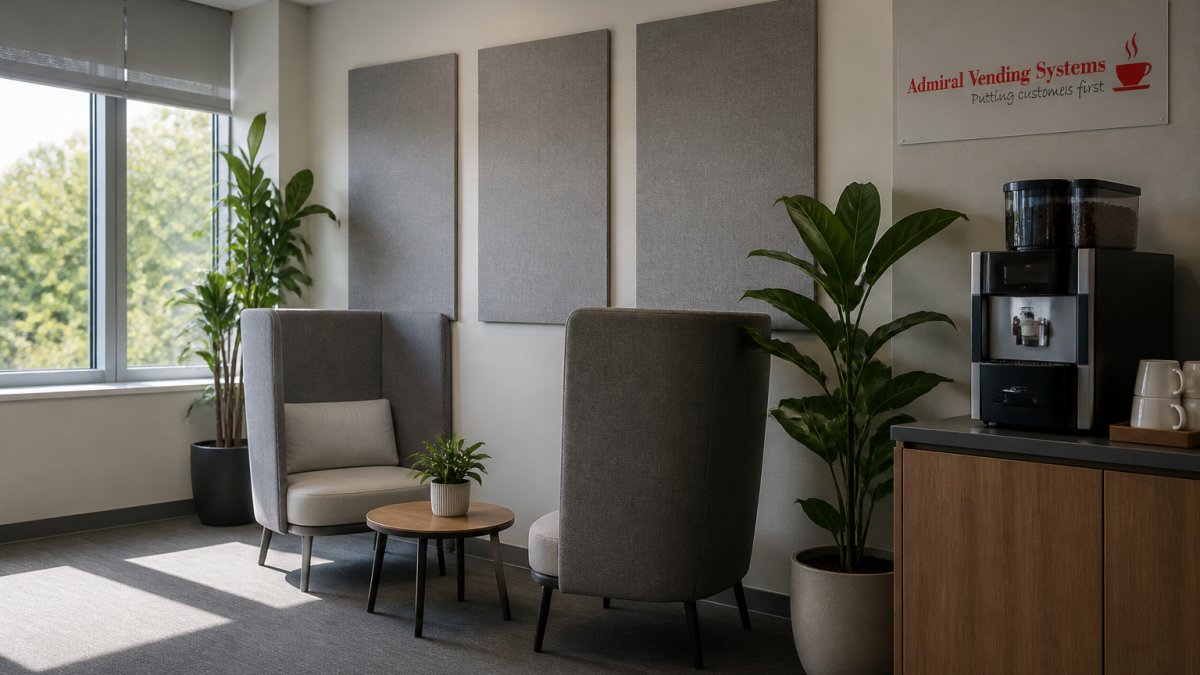
Natural light is important. Harsh fluorescent lighting increases stress and fatigue. If possible, position the quiet zone near windows. Soft natural light supports concentration without glare.
Colour choice affects mood. Neutral tones like soft greys, greens, and blues promote calm. Avoid bright colours or high contrast patterns. Keep walls, furniture, and accessories muted.
Minimise visual clutter. Quiet zones should feel spacious and uncluttered. Limit decorative items, posters, and signage. Clear sightlines reduce cognitive load.
Greenery helps. Plants add visual interest while improving air quality. A few potted plants in corners create a calm, natural feel. Avoid excessive decoration that becomes visual noise.
Lighting control matters. Adjustable lighting lets staff set brightness to their preference. Some people need bright light to focus. Others prefer softer illumination. Dimmers or multiple light levels serve both needs.
Window treatments reduce glare and visual distraction. Blinds or sheer curtains control light without blocking it entirely. Choose neutral colours that blend with the space.
Furniture design affects visual comfort. Simple, clean lines feel less busy than ornate designs. Avoid busy patterns on upholstery. Solid colours create visual calm.
Establish Office Quiet Zone Etiquette and Operating Policies
A quiet zone only works if staff respect its purpose. Clear policies and etiquette rules prevent the space from becoming a general breakout area.
Start with a written charter. This one page document states the purpose of the quiet zone, who can use it, and what behaviour is expected. Keep it simple.
Use signage that is visible but not aggressive. A small sign at eye level with the key rules works better than a large poster.
Implement a booking system if demand is high. A simple shared calendar or a dedicated app lets staff reserve time. This ensures fair access and prevents overcrowding.
Define enforcement steps. Managers should gently remind staff who break rules. If reminders fail, a private conversation follows. Consistent enforcement keeps standards high.
Create feedback loops. Ask staff what works and what does not. A short quarterly survey or a suggestion box in the room helps. Adjust policies based on actual use patterns.
Consider different use cases. Some staff need silent focus time. Others need a confidential space for phone calls. Some want a low stimulation break area.
Train staff during onboarding. Brief new employees on why the quiet zone exists and how to use it respectfully. People support rules they understand. Explain the connection between focus and wellbeing.
Review the policy annually. What worked last year may not work now. Usage patterns change, teams grow, and noise sources shift. A yearly review keeps the quiet zone relevant.
Quiet zones fail when enforcement is inconsistent. If managers ignore rule breakers but discipline others, staff lose trust in the policy. Enforce consistently or abandon the policy entirely.
Measure and Refine Your Quiet Zone Over Time
A quiet zone is not a one time project. Measurement and refinement keep it effective long term.
Start with baseline metrics. Measure noise levels before and after acoustic treatment. Use a simple sound metre to track decibel levels.
Survey staff regularly. Ask simple questions: Does the space meet your focus needs? Is it quiet enough? Are there distractions?
Monitor usage patterns. How many staff use the space daily? How long do they stay? Peak usage times reveal capacity needs.
Track productivity signals. Do staff report better focus? Are they spending more time on deep work?
Identify problem areas. Is noise still coming through? Are staff using the space as a breakout area instead of a focus zone?
Adjust policies based on feedback. If staff ignore booking rules, enforcement may be too strict.
Seasonal changes affect performance. Summer may bring more external noise. Winter heating systems create different acoustic challenges.
Plan for maintenance. Acoustic panels degrade over time. Fabric fades and collects dust. Budget for regular cleaning and periodic replacement.
The best quiet zone is one staff actually use. If you build it and nobody comes, the design missed the mark. Measurement and refinement ensure the space solves real problems.
Creating a quiet zone in your workplace is an investment in employee focus and wellbeing.
Staff spend most of their day in the office. A space where they can concentrate deeply improves both morale and productivity.
Admiral Vending helps businesses create complete workplace experiences. Beyond exceptional coffee and refreshments, we support the physical spaces where staff focus, collaborate, and recharge.
Get your instant quote today and discover how Admiral Vending can enhance your workplace culture.
Frequently Asked Questions
What is a quiet zone in the workplace?
A quiet zone is a dedicated area in your office designed to minimise acoustic and visual stimuli, supporting deep focus and concentration. Unlike open plan spaces, quiet zones provide privacy and reduced distractions through sound-absorbing materials, layout separation, and clear usage policies. They’re essential for roles requiring sustained concentration, confidential conversations, or work that demands freedom from interruption. Many organisations find them boost productivity and employee wellbeing significantly.
How can you reduce office noise reduction in a quiet zone?
Combine multiple strategies for effective office noise reduction. Use sound-absorbing materials like acoustic panels, upholstered furniture, and carpeting to trap sound waves. Position the quiet zone away from high-traffic areas, kitchens, and meeting rooms. Install high-backed furniture and upholstered side panels to block sound transmission between workstations. Consider acoustic office pods for maximum isolation. Add white noise or sound masking if external noise persists. Test your setup with a sound metre to confirm noise levels meet your target.
What rules should a workplace quiet zone have?
Establish clear office quiet zone etiquette covering phone calls, conversations, keyboard noise, and break times. Specify that the zone is for focused work only, with no meetings or collaborative tasks. Require users to silence notifications and use headphones if needed. Set expectations about duration of use to ensure fair access. Define consequences for breaches and appoint a coordinator to manage bookings if needed. Communicate policies during onboarding and post them visibly. Review and refine rules quarterly based on employee feedback and observed behaviour.
How do you measure whether a quiet zone is working?
Use both objective and subjective measures. Measure acoustic performance with a sound metre at different times and locations within the zone, comparing results to your target decibel levels. Survey employees quarterly on concentration levels, distraction frequency, and satisfaction with the space. Track usage patterns to confirm the zone meets demand. Observe whether employees report completing deep work successfully. Ask managers whether team productivity has improved. Combine these metrics to identify what’s working and what needs adjustment.